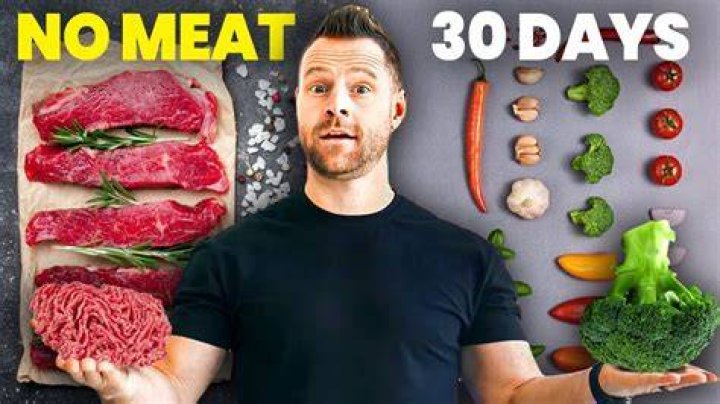
Keeping this in consideration, what happens when you don't eat meat for a day?
A plant-based diet, which emphasizes fruits, vegetables, grains, beans, legumes and nuts, is rich in fiber, vitamins and other nutrients. And people who don't eat meat — vegetarians — generally eat fewer calories and less fat, weigh less, and have a lower risk of heart disease than nonvegetarians do.
Also Know, what are the benefits of not eating meat? 10 benefits of eating less meat
- You may lose weight.
- You may lower your blood pressure.
- You'll reduce your diabetes risk.
- Your cancer risk may drop.
- You'll feel better in tight pants.
- Your skin will glow.
- You might smell better to your significant other.
- You might be happier.
Thereof, can you lose weight by not eating meat?
It can help you lose weight, but how much you eat still counts. Research shows that vegetarians tend to weigh less than people who eat meat. Plus, plant-based foods such as fruits and vegetables are generally high in nutrition and low in calories, and are important parts of a heart-healthy diet.
What are the side effects of not eating meat?
However, iodine, zinc, and vitamin B12 are hard to come by when you leave meat, seafood, and dairy products out of your meals. Without these nutrients, you can suffer from goiters, fatigue, diarrhea, loss of taste and smell, and even neurological damage.
Related Question Answers
Is eating meat once a week OK?
"Only eat meat once a week", says new report. In order to safeguard our health and the planet's future, our eating patterns need to change drastically. New scientific advice makes a case for the limitation of using animal products once more.Can a human survive without meat?
We humans would not only survive without eating meat, eggs or dairy, but live longer and healthier, save our society $31 trillion dollars mostly on medical expenses, and most importantly - save our planet! On the contrary, if we continue to eat animal products which is unsustainable, our humanity won't survive.What happens if humans stop eating meat?
A plant-based diet is generally much, much healthier than one that regularly includes meat. Health care costs would shrink. A vegetarian diet would reduce premature deaths. “We would see a global mortality reduction of 6-10%, thanks to a lessening of coronary heart disease, diabetes, stroke and some cancers.”How long can you go without meat?
Originally Answered: How long can you go without eating meat? If not, about three years. That's how much B-12 the average human has stored in their liver. There are limited vegetable sources of B-12 but it's commonly found in meat (particularly organ meat, like liver) and seafood.Does Meat Free Monday make a difference?
Having a Meat Free Monday is a simple way for individuals to significantly reduce their emissions. - On a global scale the meat industry generates nearly 1/5 of the man made greenhouse gases that are accelerating climate change, more than the entire transport sector.Do humans need meat?
Don't we need to eat meat and dairy products to be healthy? No! There is no nutritional need for humans to eat any animal products; all of our dietary needs, even as infants and children, are best supplied by an animal-free diet.Is a meat free diet healthy?
The health factorA plant-based diet, which emphasizes fruits, vegetables, grains, beans, legumes and nuts, is rich in fiber, vitamins and other nutrients. And people who don't eat meat — vegetarians — generally eat fewer calories and less fat, weigh less, and have a lower risk of heart disease than nonvegetarians do.Is egg a meat?
Eggs are eggs. They contain protein, but they are not meat. Meat is muscle tissue from animals. Eggs are reproductive tissue, produced in the hen's ovaries.What eating meat does to your body?
You could increase your risk of diseases like certain cancers and cardiovascular illness. Studies have consistently linked higher consumption of red and processed meat to increased risk of certain cancers, as well as cardiovascular disease.What can I eat if I stop eating meat?
Be sure to include plenty of fruit and vegetables. Don't replace all meat with dairy: chose plant-based alternatives like beans and legumes. Eat plenty of plant-based healthy fats, like nuts, seeds, and avocados. Make sure you are getting enough protein, calcium, iron.How do vegetarians not gain weight?
Several strategies can help promote weight loss on a vegetarian diet, including:- Filling half of your plate with non-starchy vegetables.
- Incorporating protein at every meal and snack.
- Opting for complex carbs.
- Watching your portions of high-calorie foods.
- Eating mostly whole foods.
- Limiting highly processed foods.