- CORN SUGAR - Dextrose.
- WHITE SUGAR - Sucrose.
- BELGIAN CANDI SYRUP - ALL - Invert sugar.
- BELGIAN SOFT CANDI SUGAR - Invert sugar.
- BLACK TREACLE - Type of molasses.
Considering this, can I use regular sugar instead of priming sugar?
Plain old table sugar, also called cane sugar or beet sugar, works as well as corn sugar, is less expensive, and is probably already in your cupboard. You can use brown sugar ounce for ounce, or gram for gram, the way you would corn sugar for bottle priming.
Beside above, can you use normal sugar for brewing? Sucrose (table sugar, beet sugar, or cane sugar): Good old-fashioned table sugar can be used in place of corn sugar as a priming agent or as a wort constituent, is available everywhere, and is inexpensive to boot.
Also know, can you use honey as priming sugar?
Use 1 cup of honey per 5 gallon batch to replace the priming sugar, follow the same procedure outlined in your beer recipe kit instructions to prime your beer and put it in beer bottles. Boil the honey in 8-16 oz. of water and pour it into the bottom of your bottling bucket and rack your beer into the honey solution.
What's the difference between brewing sugar and normal sugar?
Brewing sugar is Dextrose Monohydrate. The main difference in the use is that it is a Mono Saccharide (one molecule of glucose) as opposed to household sugar which is a Di-saccahide (2 molecules). This means that fermentation using brewing sugar will start quicker and ferment cleaner.
Related Question Answers
Do I need priming sugar when Kegging?
With a keg, you clean and fill one. You can also use your kegging system to force carbonate your beer; that is, carbonate without adding priming sugar. If you want to precisely control the level of carbonation in your beer, kegging is the only way to go.How much water do you use when priming sugar?
Step 3: Prepare Your Chosen Priming SugarYou will boil about ¾ cup of corn sugar or 2/3 cup of cane sugar in approximately two cups of water. Let this cool before using it.
How much priming sugar do I use for 1 gallon of beer?
Step Two: 0.54 ounces of corn sugar adds one volume of CO2 to 1 gallon of beer. Next we need to take that 1.94 we got earlier and multiply it by 0.54. This will give us the amount of priming sugar we need to add to reach 2.75 volumes of CO2 in one gallon of beer.Can I use sugar instead of carbonation drops?
Carbonation drops are simply balls of boiled hard sugar. They make carbonating bottles nice and easy as you can just pop them into a bottle without measuring. If so, you can use sugar instead.What sugar is best for brewing beer?
For Step 2 we recommend white cane sugar as it's readily available to produce the best carbonation. Cane sugar or more commonly known as white sugar is the best and most common type of sugar used for kombucha brewing. It is the most easily available source of sucrose for the yeast to convert to ethanol.How much priming sugar do I use for 1 gallon of cider?
Sweeten to taste with sugar, honey, apple juice or frozen apple juice concentrate prior to bottling. Six ounces of sugar per gallon will result in a medium sweet cider. If you have a kegging system and the cider will be consumed in a short period of time, just rack into the keg and sweeten.What is priming sugar for beer?
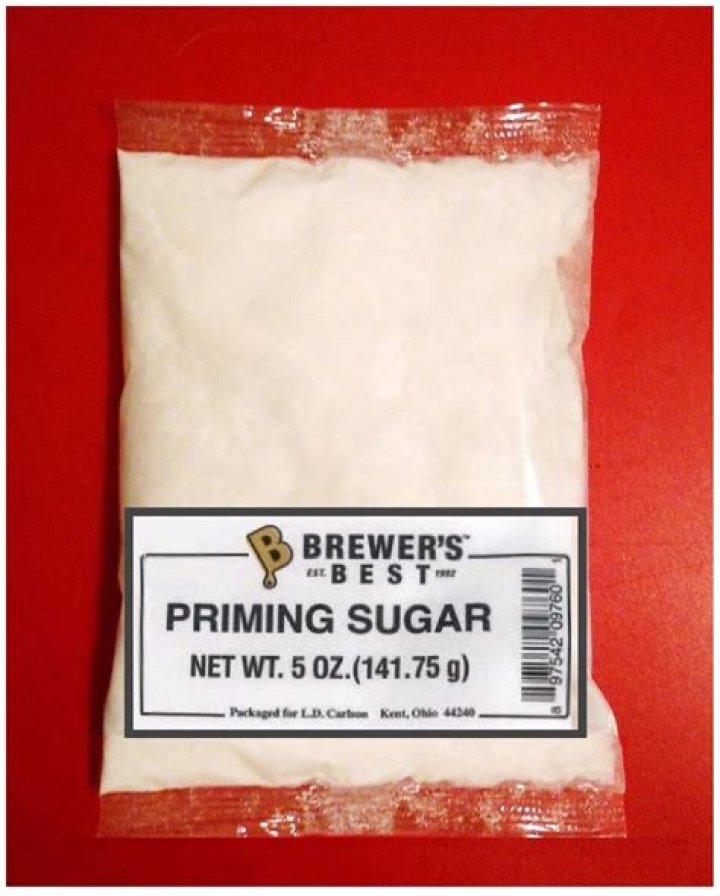
Priming Sugar is any sugar added to a fermented beer with the purpose of starting a secondary re-fermentation in a tank, a cask, a bottle, or more rarely, a keg. Priming sugars are usually highly fermentable, with the most common being neutrally flavored sucrose, glucose, and dextrose.How much sugar is in secondary fermentation?
There needs to be sugar left in the cider for secondary fermentation. If your cider finished with 0 brix, you may need to add extra sugar for secondary fermentation. If you bottle cider with a 1L swing bottle, we suggest adding 3 grams of sugar in it.Do you let priming sugar cool?
Priming sugar goes in after the fermentation and just prior to bottling. Do not add the priming sugar after the boil. It will all ferment out. He's adding it to the bottling bucket immediately after boiling the priming solution without allowing it to cool.Is honey a fermentable sugar?
Honey. The sugars in honey are 95% fermentable, typically consisting of 38% fructose, 30% glucose, 8% various disaccharides and 3% unfermentable dextrins. Honey contains wild yeasts and bacteria, but its low water content — usually around 18% — keeps these microorganisms dormant.How much priming sugar do I use for 5 gallons?
The brewer's rule of thumb for every five gallons of beer is: 3/4 cups (4 ounces, or 113 grams) of corn sugar (dextrose) ? cup (5.3 ounces, or 150 grams) of table sugar.How do you add honey to fermenter?
Fermentation may also be extended as the honey will feed the yeast. Working with honey at this stage can be simplified by heating the container of honey in hot water for about 20 minutes. This will heat the honey, making it easy to pour into your fermenter.What is honey beer?
A braggot is typically thought of as a hybrid between mead and beer. They're made from malted grains and honey and they're likely predecessors to all-grain beer. The style can be difficult as brewers aim for a healthy balance of both honey and malt; neither of the two components should overpower the other.How do I make mead?
How to Make It- Start with some very simple ingredients: honey, water, and yeast.
- Make sure all your tools have been sanitized completely.
- To make a 6 gallon batch of mead, boil 1.5 gallons of water in a large pot, and then add about 1.5 gallons of honey to it once it's off the stove.